
The Tools and Techniques Used in a Routine Vet Exam at Winter Place Animal Hospital
A pet wellness exam near you is a vital part of preventive veterinary care. At Winter Place Animal Hospital in Salisbury, MD, a pet wellness exam is performed using proven tools and techniques that support early detection and long term health. Each step of the exam is designed to evaluate the whole patient in a calm and thorough manner.
The Purpose of a Routine Pet Wellness Exam
A pet wellness exam provides a baseline of health and tracks changes over time. A veterinarian near you reviews medical history, lifestyle, and behavior, and this information is considered alongside physical findings. When routine exams are performed regularly, subtle changes are more likely to be detected, and treatment can be started early.
Physical Examination Tools
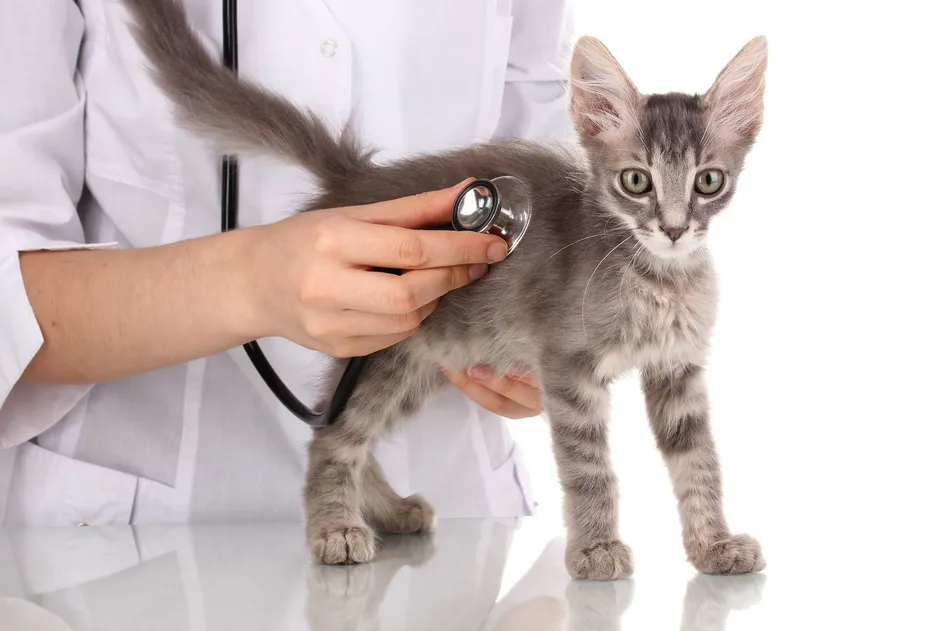
Several basic tools are used during your pet’s exam. A stethoscope is used to listen to the heart and lungs, as abnormal sounds can indicate cardiac or respiratory disease. An otoscope allows close inspection of the ear canal and eardrum, so infections or inflammation may be identified. An ophthalmoscope is used to examine internal eye structures, and early signs of eye disease can be detected. These tools allow conditions to be identified that may not be visible without magnification.
Hands On Examination Techniques
Palpation is a key technique used by a veterinarian near you. The abdomen is gently felt to assess organs such as the liver, kidneys, and bladder. Limbs and joints are examined for swelling, pain, or reduced motion. Muscles are evaluated for strength and symmetry. This hands-on method provides valuable information and supports accurate assessment.
Measuring Vital Signs
Vital signs are measured during every pet wellness exam. Body weight is recorded using a scale, and changes in weight can signal underlying health issues. A digital thermometer is used to check body temperature, and abnormal readings may suggest infection, inflammation, or metabolic concerns. Heart rate and respiratory rate are also evaluated as part of routine care.
Diagnostic tools support deeper evaluation during an exam. Blood samples may be collected to assess organ function and detect infection or anemia. Urinalysis evaluates kidney health and urinary tract function. Fecal testing identifies internal parasites that may not cause obvious signs.
Future Care Planning
During your pet’s exam, findings are explained clearly, and recommendations for follow up care are provided. To learn more or schedule an exam for your pet, call our office at (410) 546-3111. At Winter Place Animal Hospital, the tools and techniques used in a pet wellness exam work together to support lifelong health and comfort.